 A Paradise at Risk
Hawaiʻi is often celebrated as paradise on Earth. With its lush green mountains, cascading waterfalls, and tropical climate, it feels timeless. But beneath this beauty, a silent crisis is unfolding. Hawaiʻi’s native birds—many of which are found nowhere else in the world—are in danger of disappearing forever.
At the heart of this crisis is a tiny but deadly enemy: the mosquito. These invasive insects are spreading avian malaria, a disease that native forest birds have no natural immunity against. But here’s the twist—scientists in Hawaiʻi are now using mosquitoes themselves to fight back.
This article dives deep into this groundbreaking conservation effort, explaining how drones, helicopters, and cutting-edge science are being used to save birds in Hawaiʻi’s forests.
The Fragile Treasure of Hawaiian Birds
A Unique Legacy of Evolution
Hawaiʻi is often called the “Bird Extinction Capital of the World.” Over millions of years of isolation, its volcanic islands gave rise to more than 100 unique bird species. The honeycreepers, with their rainbow of beak shapes and feather colors, are among the most famous.
But this incredible biodiversity is also fragile. When humans brought invasive species—rats, cats, pigs, and especially mosquitoes—Hawaiʻi’s birds found themselves defenseless.
The Numbers That Shock
- Out of the original ~100 species of native birds, more than half are extinct.
- Today, about 53 species remain, but 25 are listed as endangered under the U.S. Endangered Species Act.
- Seven species are showing signs of recovery, but 20 are still declining rapidly.
Species like the kiwikiu (Maui parrotbill) and the ‘akeke‘e are down to just a few hundred individuals. Without intervention, they could vanish in the next decade.
The Silent Killer: Avian Malaria
How Mosquitoes Became a Threat
Mosquitoes are not native to Hawaiʻi. They arrived with whaling ships in the early 1800s. Since then, they have spread across the islands, especially into the warmer, wetter lowlands.
Mosquitoes carry avian malaria, a parasite that infects birds’ red blood cells. Unlike introduced birds such as sparrows and mynahs, Hawaiʻi’s native birds have no evolutionary resistance. One mosquito bite can be deadly.
Climate Change Makes It Worse
Historically, some birds escaped the disease by living in cooler high-elevation forests where mosquitoes could not survive. But with rising global temperatures, mosquitoes are now climbing higher into the mountains, invading the last safe refuges for these birds.
The Bold Idea: Fighting Mosquitoes with Mosquitoes
What Is the Wolbachia Method?
Scientists are turning to a unique strategy: using mosquitoes to fight other mosquitoes. The approach uses a bacterium called Wolbachia, which naturally lives in many insect species but not in Hawaiʻi’s mosquitoes.
Here’s how it works:
- Male mosquitoes are deliberately infected with Wolbachia.
- These males are then released into the wild.
- When they mate with wild females, the eggs don’t hatch.
- Over time, this suppresses the population of disease-carrying mosquitoes.
Importantly, male mosquitoes don’t bite, so they pose no risk to people or wildlife.
From Labs to Forest Skies
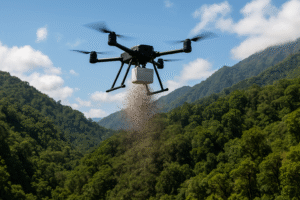
The project, called “Birds, Not Mosquitoes,” is now actively releasing these mosquitoes over Maui and Kauaʻi. Drones and helicopters drop biodegradable pods filled with the special males into remote mountain forests.
This isn’t science fiction—it’s happening right now. Thousands of mosquitoes are being released every week in the hope of turning the tide against avian malaria.
Why This Matters: Hope for Endangered Species
The Kiwikiu: Symbol of Survival
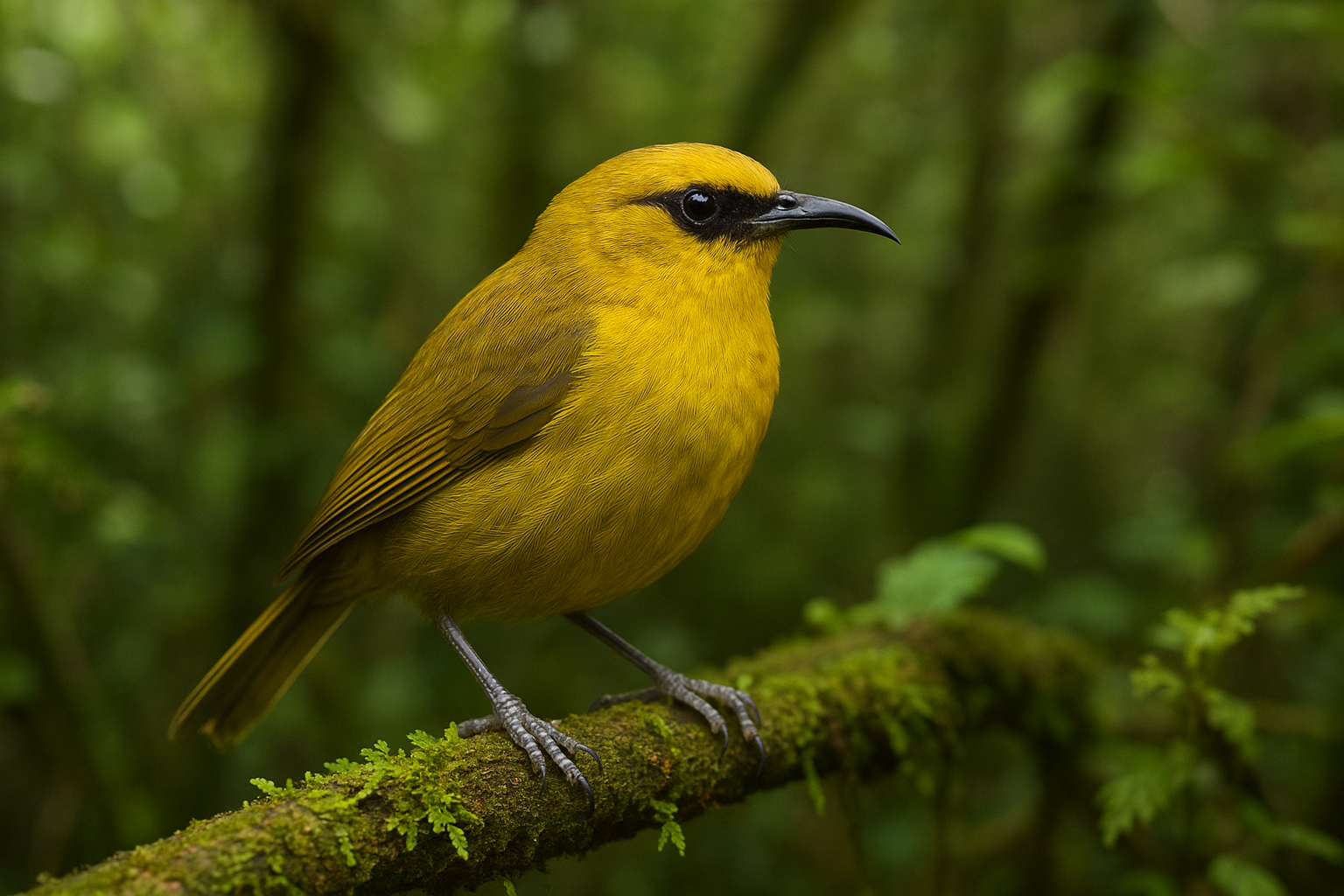
On Maui, the kiwikiu is among the rarest birds in the world. With fewer than 150 individuals left, it teeters on the edge of extinction. Conservationists see the mosquito project as its last real chance.
The Honeycreepers: Jewels of the Forest
Species like the ‘i‘iwi and ‘apapane are cultural icons in Hawaiʻi. Their bright feathers were once used in Hawaiian royal capes and leis. Today, their songs are fading from forests. If mosquitoes are controlled, these species could once again thrive.
The Controversy and Concerns
Public Worries
Not everyone in Hawaiʻi is comfortable with the idea of releasing mosquitoes—especially when “dropping mosquitoes from drones” makes headlines. Some fear it could create new problems, while others worry about ecological side effects.
Expert Reassurances
Scientists emphasize:
- Only male mosquitoes are released—they don’t bite or spread disease.
- The Wolbachia bacterium is already widespread in nature and poses no harm to humans, pets, or birds.
- Independent reviews confirm the strategy is safe and environmentally sound.
Science Meets Culture: Why Birds Matter in Hawaiʻi
For Native Hawaiians, birds are not just wildlife—they are sacred. Birds appear in ancient chants, legends, and hula. They symbolize guidance, protection, and spiritual connection.
Saving these birds isn’t only about biodiversity—it’s about protecting cultural heritage and identity. Losing them would mean losing a living link to Hawaiian history.
The Global Significance
Hawaiʻi is not the only place facing mosquito-borne wildlife crises. Similar strategies are being tested around the world to combat diseases like dengue and Zika. If successful, Hawaiʻi’s project could inspire global conservation programs.
This is not just about birds—it’s about learning how humans can live alongside nature without destroying it.
Challenges Ahead
- Scale: Millions of mosquitoes need to be released consistently for the method to work.
- Funding: The project costs millions of dollars annually. Continued government and public support are crucial.
- Time: It could take years before measurable declines in mosquito populations appear.
Still, conservationists argue that doing nothing would almost certainly mean the extinction of multiple Hawaiian bird species within the next 10 years.
A Glimpse of Hope
Even as challenges mount, there are signs of progress. Early monitoring shows mosquito numbers are stabilizing in test areas. Birds in certain habitats are surviving longer. Communities are becoming more engaged, from local schools to Native Hawaiian leaders.
As one conservationist said: “We’re giving these birds a fighting chance. That’s more than they’ve had in decades.”
Conclusion: A Fight Worth Fighting
The story of Hawaiʻi’s birds is both heartbreaking and inspiring. It is a reminder of how fragile ecosystems can be—and how determined humans can be to repair what’s broken.
By harnessing science, culture, and community, Hawaiʻi is writing a new chapter in conservation history. If successful, this project could not only save birds but also prove that even in the face of climate change and biodiversity loss, hope is never lost.
The next time you hear the sweet call of a Hawaiian honeycreeper, remember: it might be there because people decided to fight mosquitoes with mosquitoes.
Further Reading
U.S. Fish & Wildlife Service – Saving Hawaiʻi’s Forest Birds
U.S. EPA – Emergency exemption for releasing Wolbachia mosquitoes in Hawaiʻi
GeneConvene/NPS – Drones deliver mosquitoes to prevent bird extinctions
Maui Forest Bird Recovery Project – Mosquito control overview
National Park Foundation – Saving Hawaiian honeycreepers
Vox – Scientists are dropping live mosquitoes out of drones in Hawaiʻi
The Guardian – Millions of mosquitoes released to save rare birds
Times of India – Why thousands of mosquitoes are being dropped over Hawaiʻi
USGS – Scientists bite back at invasive mosquitoes in Hawaiʻi
Wikipedia – Haleakalā (context on high-elevation bird refuges)
Wikipedia – ʻIʻiwi (threats & conservation)