Introduction – Meet the Finger Lime
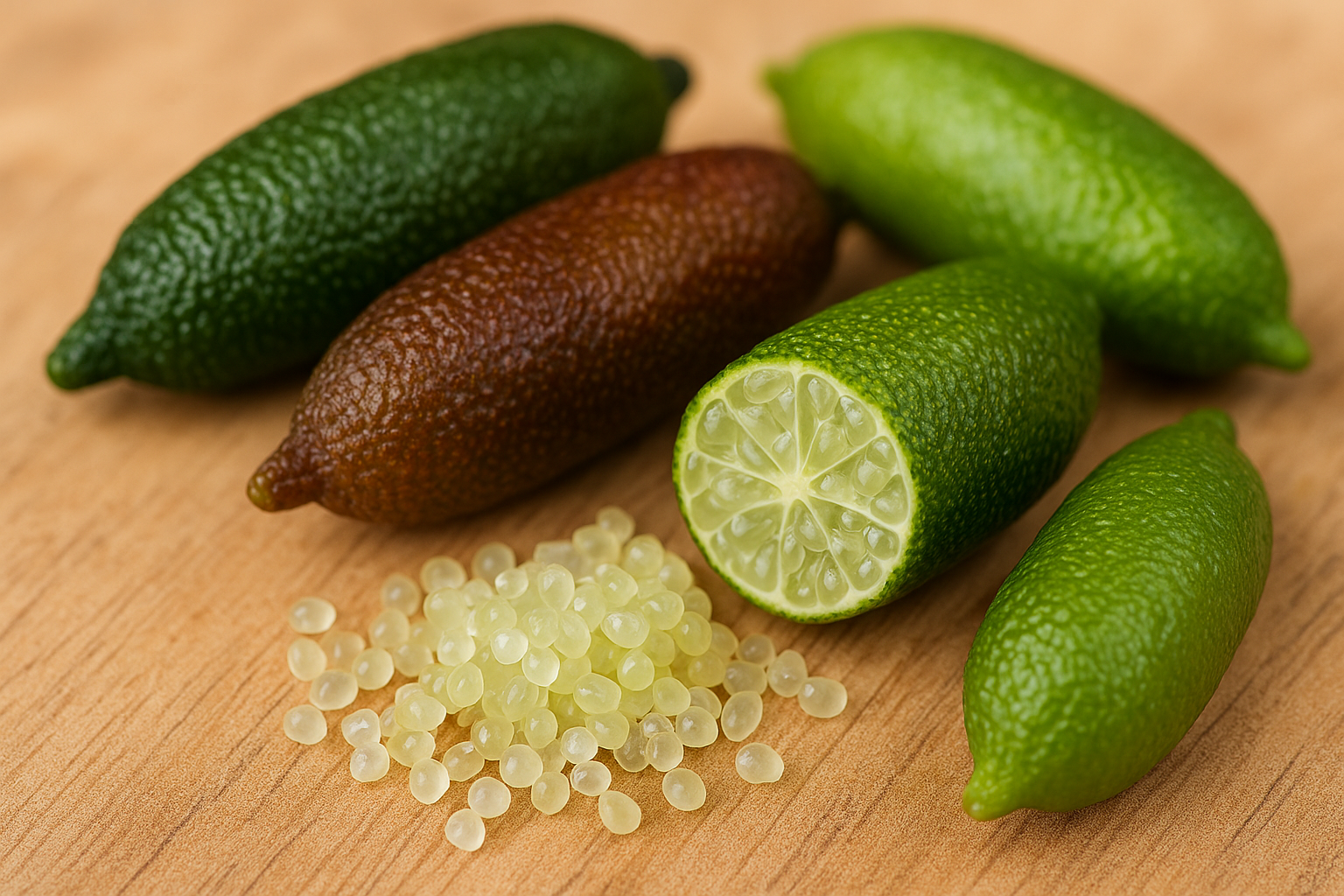
If fruits could be called gemstones, the finger lime (Citrus australasica) would be the sparkling emerald of the citrus world. This small, elongated fruit is native to the rainforests of Queensland and New South Wales, Australia, and has been a cherished food of Indigenous Australians for thousands of years.
Today, it’s loved by chefs, foodies, and health enthusiasts for its citrus caviar-like pearls that burst with tangy, refreshing flavor.
In this guide, we’ll explore everything about finger limes — from their history and nutritional benefits to their culinary uses, growing tips, and a bonus recipe that will make you fall in love with this exotic fruit.
1. What is a Finger Lime?
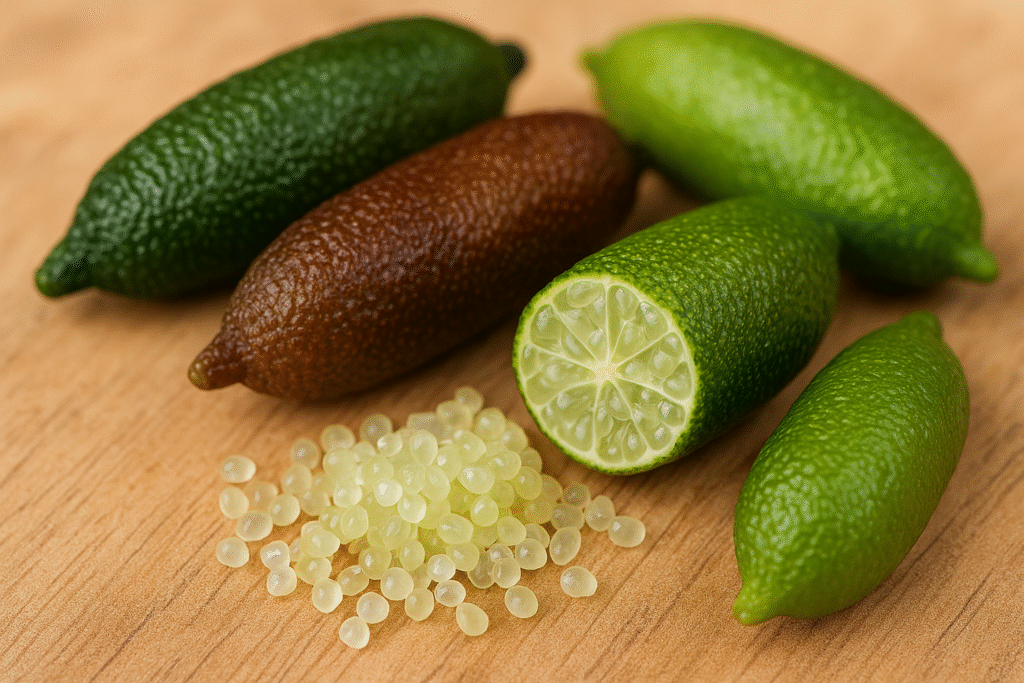
Finger lime is a subtropical citrus fruit shaped like a small finger (hence the name), usually 4–8 cm in length. Its outer skin can be green, brown, red, or even purple, depending on the variety. Inside, instead of the usual citrus segments, you’ll find tiny juice vesicles — often called citrus pearls — that look like caviar.
These pearls range in color from pale green to pink, red, or even champagne, and their texture and flavor make them a gourmet delicacy.
Fun Fact: Some chefs call finger lime “lime caviar” because the vesicles pop in your mouth like luxury seafood caviar — but they’re vegan and plant-based.
2. Origin and History
Finger lime is indigenous to Australia, where it grows in the coastal rainforests and lowland subtropical forests.
For thousands of years, Indigenous Australians gathered finger limes as a seasonal food, eating them fresh or as a tangy addition to seafood and game meats.
In recent decades, finger limes have transitioned from wild bushfood to a commercial crop, thanks to gourmet chefs and export demand. Today, they are farmed in Australia and exported to Europe, Asia, and North America.
3. Nutritional Benefits of Finger Lime
Finger limes are more than just beautiful — they’re packed with nutrients that support overall health.
|
Nutrient |
Amount (per 100g) |
Benefit |
|
Vitamin C |
~44 mg |
Boosts immunity, supports skin health |
|
Dietary Fiber |
~2.8 g |
Improves digestion |
|
Folate |
~9 μg |
Supports cell growth |
|
Potassium |
~150 mg |
Helps regulate blood pressure |
|
Antioxidants |
High |
Protects against oxidative stress |

Key Health Benefits:
Immunity Boost: High vitamin C content strengthens your immune system.
Skin Glow: Antioxidants fight premature aging.
Heart Health: Potassium helps regulate heart function.
Digestive Aid: Fiber supports gut health.
4. Flavor Profile
Finger lime’s flavor is tangy and refreshing, with a balance of sharp lime-like acidity and subtle floral notes. Depending on the variety, the taste can be:
Tart and zesty (like lime) Slightly sweet and floral (similar to grapefruit) Complex with herbal undertones
This versatility is why chefs use finger lime in both sweet and savory dishes.
5. Culinary Uses
Finger lime is a culinary powerhouse. Here’s how it shines:
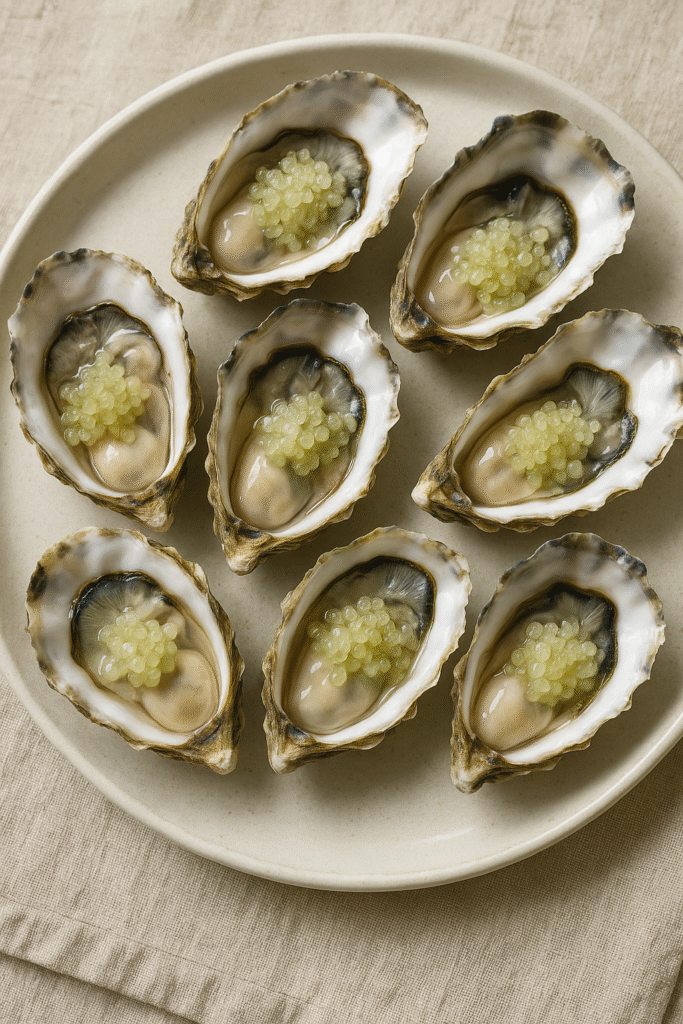
a) Seafood Dishes
Sprinkle citrus pearls over oysters, scallops, or grilled fish for a burst of tangy flavor.
b) Salads
Add to leafy greens or fruit salads for a refreshing twist.
c) Cocktails
Use as a garnish in gin and tonic, margaritas, or champagne for a visual and flavorful pop.
d) Desserts
Pair with cheesecake, panna cotta, pavlova, or ice cream.
e) Asian Cuisine
Add to sushi, sashimi, or Thai salads for an exotic twist.
6. How to Store and Handle Finger Lime
Fresh Storage: Keep in the fridge in a sealed container for up to 3 weeks.
Freezing: Freeze whole finger limes to preserve them for months — pearls will still pop when thawed.
Opening Tip: Cut lengthwise or crosswise, then gently squeeze to release the pearls.
7. Growing Finger Lime at Home
Yes, you can grow finger lime at home — even in pots!
Growing Requirements:
Climate: Subtropical to warm temperate zones
Sunlight: Full sun to partial shade
Soil: Well-drained, slightly acidic
Watering: Keep soil moist but not soggy Harvest: 3–4 years after planting
8. Varieties of Finger Lime
A popular types include:
Red Champagne: Pink pearls, sweet-tart flavor Emerald: Green pearls, classic lime taste
Byron Sunrise: Reddish skin with vibrant pearls
Crystal: Pale pearls with mild flavor
9. Finger Lime in Global Cuisine
Australia: Used in seafood platters, desserts, and native bushfood dishes.
Japan: Popular in sushi and sashimi garnishes.
France: Featured in Michelin-starred dishes.
USA: Trending in mixology and gourmet catering.
10. Sustainability and Farming
Finger lime farming supports native plant biodiversity and provides income for rural communities in Australia. Many farms use organic and low-intervention methods to preserve the fruit’s natural qualities.
11. Bonus Recipe: Finger Lime & Smoked Salmon Blinis
Serves: 4
Prep Time: 20 minutes
Difficulty: Easy
Perfect For: Parties, canapés, special occasions
Ingredients:
12 mini blinis (or small pancakes) 100g cream cheese 150g smoked salmon slices 3 fresh finger limes (color of your choice) Fresh dill for garnish Black pepper to taste
Instructions:
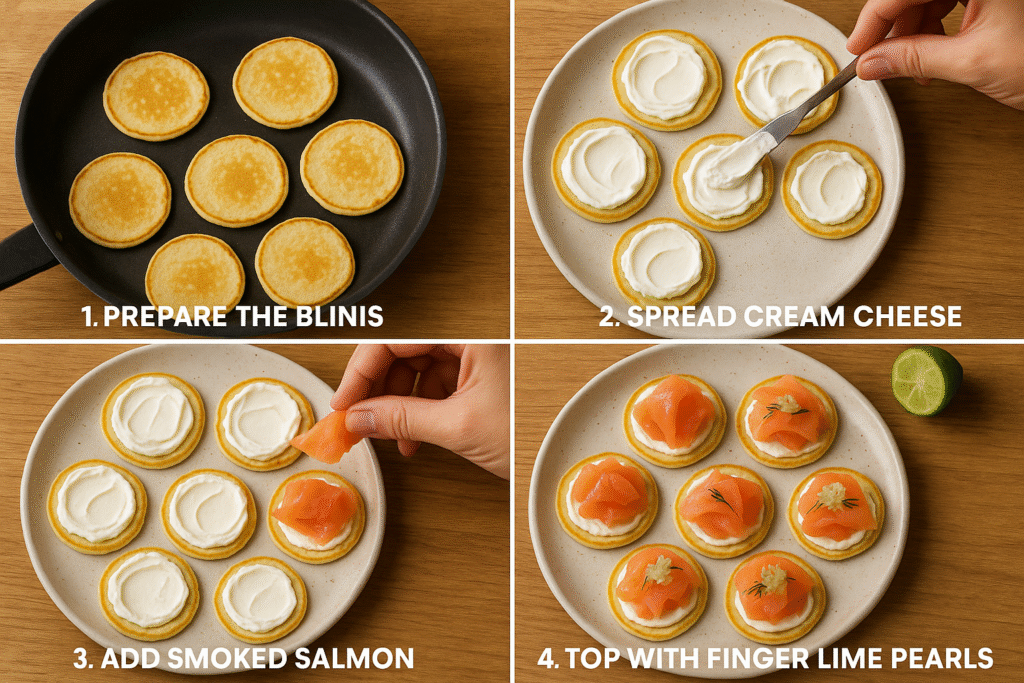
01) Prepare the Blinis – Warm them slightly in a pan or oven.
02)Spread Cream Cheese – Add a generous layer on each blini.
03)Add Smoked Salmon – Place a small folded piece on top.
04)Top with Finger Lime Pearls – Cut the finger limes in half and gently squeeze out the pearls over the salmon.
05)Garnish & Serve – Add fresh dill and a sprinkle of black pepper.
06) Enjoy – A burst of citrus freshness with every bite.
Serving Tip: Pair with chilled sparkling wine or champagne.
12. Where to Buy Finger Lime
You can find fresh finger limes at:
Farmers’ markets in Australia
Gourmet food stores
Online specialty fruit retailers
High-end supermarkets in Europe, USA, and Asia
Conclusion
Finger lime is more than just an exotic citrus fruit — it’s a culinary experience. From its bursting citrus pearls to its vibrant colors and tangy-sweet flavor, this Australian native has captured the hearts of chefs, home cooks, and health-conscious foodies around the world.
Whether you use it to elevate seafood, add sparkle to desserts, or create refreshing cocktails, finger lime delivers both flavor and nutrition in every bite. Plus, its high vitamin C content, antioxidant benefits, and low-calorie profile make it as healthy as it is delicious.
If you’ve never tried finger lime before, consider sourcing it from specialty markets or ordering it online. Once you do, you’ll understand why it’s known as nature’s citrus caviar.
External Resources for Further Reading
Australian Native Food & Botanicals – Finger Lime Profile & Industry Information
ABC Everyday – How to Cook with Finger Limes
University of Queensland – Nutritional Benefits of Finger Limes (search “finger lime” for academic articles)
Gourmet Traveller – Recipes Featuring Finger Lime