
A Complex Debate on Gender Eligibility
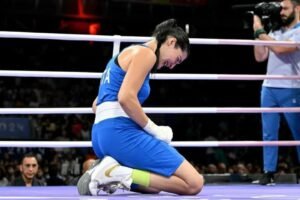
The upcoming Paris 2024 Olympics have been marred by a significant controversy involving two female boxers, Imane Khelif of Algeria and Lin Yu-ting of Taiwan. Both athletes, previously disqualified from the 2023 World Championships for failing gender eligibility tests, have been cleared to compete in the Olympics. This decision by the International Olympic Committee (IOC) has sparked a heated debate over fairness and transparency in gender eligibility criteria for sports.
Background and Disqualification
Imane Khelif and Lin Yu-ting were both prominent competitors at the 2023 World Championships held in New Delhi. Khelif was disqualified just hours before her gold medal bout due to failing to meet the International Boxing Association’s (IBA) eligibility criteria. Similarly, Lin lost her bronze medal after the IBA determined she also failed the same tests. The IBA president cited that the disqualifications were based on the athletes possessing “XY chromosomes,” a decision that has since been criticized for its lack of transparency and clarity .
IOC’s Intervention and Paris 2024 Eligibility
The IOC, which banned the IBA from organizing Olympic events since 2019 due to governance issues, has taken charge of the boxing events for the Paris 2024 Olympics through the Paris Boxing Unit (PBU). The PBU has reviewed the cases of Khelif and Lin and determined that they meet the competition’s eligibility and medical regulations. This decision underscores the IOC’s commitment to maintaining a fair competition while addressing the complexities of gender eligibility in sports .
An IOC spokesperson highlighted that all participating athletes at the Paris 2024 boxing tournament comply with the established rules and regulations. The spokesperson emphasized that Khelif and Lin are women according to their passports and have a history of competing at high levels, including previous Olympics. This decision has been defended as a move to ensure fairness and inclusivity in the sport .
The Broader Debate on Gender Eligibility
The controversy brings to light the broader, ongoing debate about gender eligibility in sports. The process of determining who qualifies to compete in women’s events is inherently complex and fraught with ethical and scientific challenges. The IOC has stated that while everyone desires a clear-cut solution, the reality is that federations must develop rules that balance fairness with inclusivity .
Conclusion
The clearance of Imane Khelif and Lin Yu-ting to compete in the Paris 2024 Olympics despite their previous disqualifications highlights the evolving nature of gender eligibility rules in sports. As the debate continues, it is crucial for sports governing bodies to strive for transparency, fairness, and inclusivity in their policies.
For more detailed information, you can read the full articles on The Independent and RNZ News.