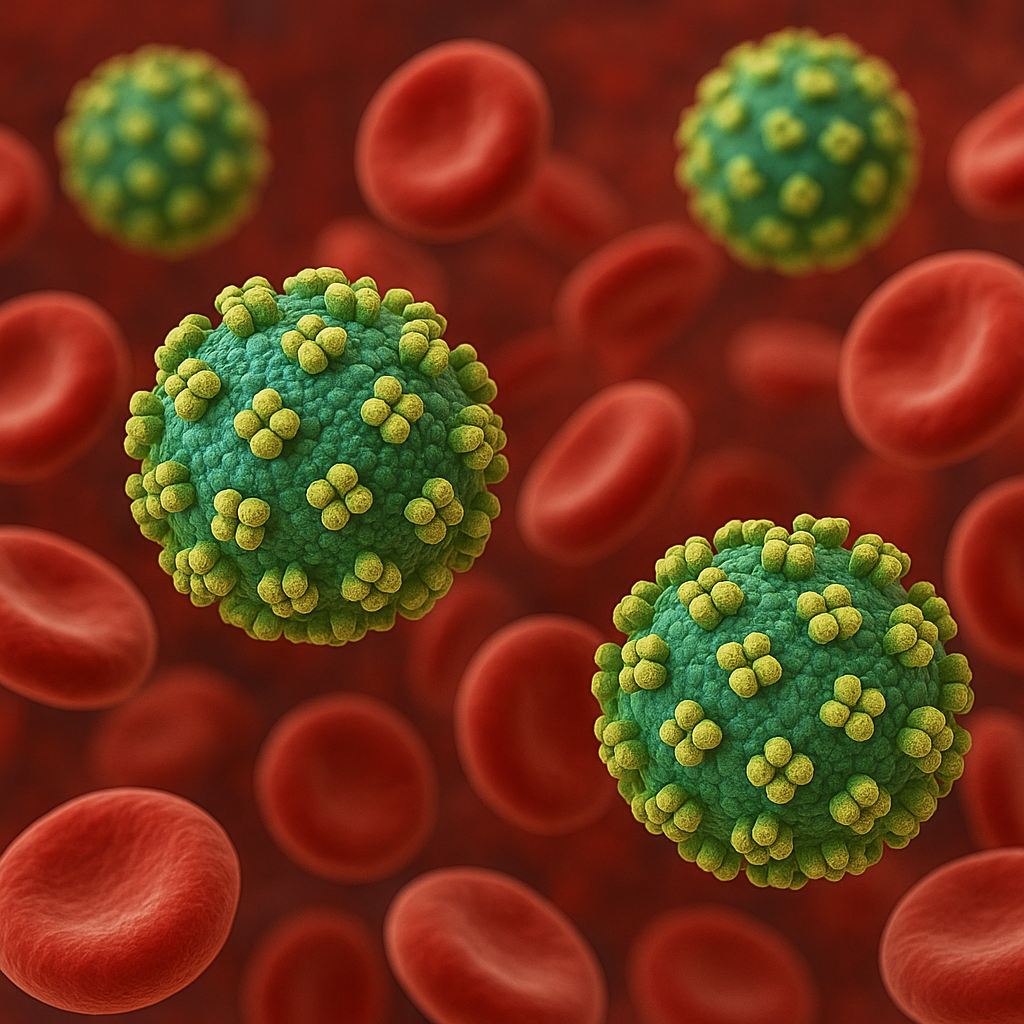
 🦟 What Is Chikungunya Virus?
Chikungunya virus is a mosquito-borne viral disease that causes sudden onset of fever and severe joint pain. First identified in Tanzania in 1952, the name “Chikungunya” comes from the Makonde language, meaning “that which bends up,” referencing the stooped posture of sufferers from intense joint pain.
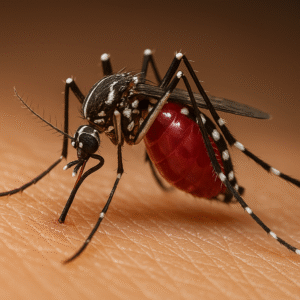
It spreads through Aedes mosquitoes — the same type that transmits Dengue and Zika — and has caused widespread outbreaks in Asia, Africa, the Caribbean, and parts of Europe.
🧬 How Is It Transmitted?
Chikungunya is spread only through mosquito bites, specifically by:
- 🦟 Aedes aegypti (more common in urban areas)
- 🦟 Aedes albopictus (more rural and temperate climates)
These mosquitoes bite during daylight hours, especially early morning and late afternoon.
📌 Important Notes:
- Not contagious from person to person
- Virus remains in blood for 5–7 days
- Transmission can occur from mother to newborn, but not via breast milk
🧍♀️ Who Is at Risk?
Chikungunya can affect anyone, but certain groups are at higher risk for severe or prolonged illness:
- People over 65
- Infants under 1 year
- People with diabetes, hypertension, or heart disease
- Pregnant women (especially during late pregnancy)
🩺 Symptoms of Chikungunya Virus
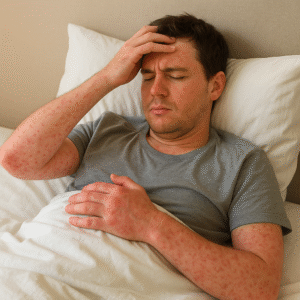
Chikungunya’s symptoms appear 3 to 7 days after being bitten, and while it rarely causes death, the pain and fatigue can last for months.
🔥 Common Symptoms:
- Sudden high fever (above 102°F / 39°C)
- Severe joint pain (hands, feet, knees, back)
- Headache
- Muscle pain
- Rash (usually on trunk and limbs)
- Swelling of joints
- Conjunctivitis
⏳ Duration:
- Acute phase: 3–10 days
- Post-viral joint pain: Weeks or months
- In rare cases, symptoms persist for over a year
🧪 Diagnosis and Testing
Because symptoms mimic Dengue and Zika, lab tests are essential to confirm Chikungunya:
Common Tests:
- RT-PCR (during first week of illness)
- IgM antibody ELISA (after 5 days)
- Blood tests to monitor platelet levels and inflammation
💊 Treatment: How to Manage Chikungunya
There is no specific antiviral treatment for Chikungunya. Management focuses on relieving symptoms:
Recommended Treatment:
- 🧊 Rest and hydration
- 💊 Pain relief: Paracetamol (avoid NSAIDs like ibuprofen if Dengue is not ruled out)
- 🧉 Herbal teas, turmeric milk (to reduce inflammation)
- ♨️ Warm compresses on painful joints
Avoid:
- Aspirin (may increase bleeding risk if Dengue is present)
- Unsupervised use of steroids

🛡️ How to Prevent Chikungunya Virus
Because there is no vaccine or cure, prevention is the only defense.
✅ Personal Protection:
| Method | Description |
| Insect Repellent | Use DEET or picaridin daily |
| Mosquito Nets | Especially while sleeping |
| Full-Cover Clothing | Light-colored, long-sleeved clothing |
| Avoid Stagnant Water | Empty flower pots, tires, buckets |
| Install Screens | On windows and doors |
🏠 Community Control Measures:
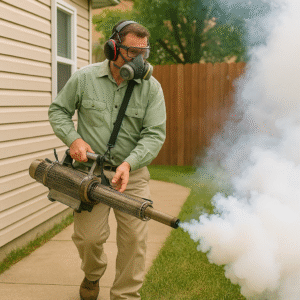
- Regular fogging in outbreak areas
- Public education campaigns
- Larvicide treatments in standing water
- Community clean-up drives
🌍 Global Outbreaks & Spread of Chikungunya
Chikungunya has emerged as a global public health concern over the past two decades.
🌐 Recent Outbreaks:
- 2004-2007: Major epidemic across Indian Ocean islands, India, and Southeast Asia
- 2013–2014: Caribbean and Americas (first-ever)
- 2017–2020: Italy, Pakistan, Sudan, Thailand
- 2023: Bangladesh, Brazil, Sri Lanka (localized outbreaks)
📋 Difference Between Dengue, Zika & Chikungunya
🙋♀️ Frequently Asked Questions (FAQ)
Q1: Can I get Chikungunya more than once?
❌ No, infection usually gives lifelong immunity.
Q2: Is Chikungunya deadly?
⚠️ Very rarely. But the joint pain can be debilitating and long-lasting.
Q3: Can it spread through food or water?
❌ No, only through mosquito bites.
Q4: What if I’m pregnant?
🤰 Inform your doctor immediately if exposed or symptomatic.
Q5: Are there natural remedies?
✅ Turmeric, ginger, Epsom salt baths, and neem can help relieve pain and inflammation — but always consult a doctor.
🧠 Conclusion: Stay Alert, Stay Protected
Chikungunya may not make international headlines every day, but for those affected, its severe joint pain and prolonged fatigue can drastically reduce quality of life. Since there is no cure or vaccine, the best protection lies in awareness and prevention.
🌿 Whether you’re living in or traveling to a high-risk area, stay vigilant by eliminating mosquito breeding grounds, using repellents, and protecting yourself with proper clothing and netting.
For more in-depth medical and travel-related guidance on Chikungunya, visit:
🔗 CDC – Chikungunya Virus Information
🔗 WHO – Chikungunya Virus Factsheet
Together, we can stop the spread — one mosquito at a time. 🦟