
In this comprehensive guide, we’ll explore the fundamentals of a balanced diet and the essential nutrients needed for optimal health. This guide will delve into the roles of carbohydrates, proteins, fats, vitamins, minerals, fiber, and water, providing practical tips for incorporating these nutrients into your daily meals. We’ll also discuss meal planning, portion control, and the importance of variety and moderation.
What is a Balanced Diet?
A balanced diet includes a variety of foods in the right proportions, providing the necessary nutrients to maintain good health and energy levels. It involves the proper intake of macronutrients (carbohydrates, proteins, and fats) and micronutrients (vitamins and minerals). A balanced diet supports bodily functions, boosts immune health, enhances mental clarity, and maintains a healthy weight.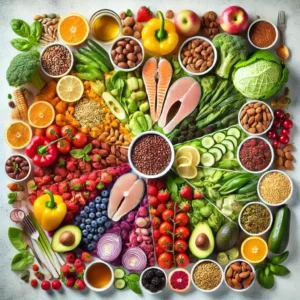
Essential Nutrients
1. Carbohydrates
Carbohydrates are the body’s primary energy source. They are divided into simple and complex carbohydrates. Simple carbohydrates, found in sugary foods and drinks, provide quick energy but can lead to energy crashes. Complex carbohydrates, found in whole grains, vegetables, and legumes, provide sustained energy and are more nutritious.
• Role: Carbohydrates are broken down into glucose, which fuels body functions and physical
• Sources: Whole grains (brown rice, quinoa, oats, whole wheat bread), fruits (apples, bananas, berries), vegetables (sweet potatoes, carrots, peas), legumes (beans, lentils).
• Tips: Choose complex carbohydrates over simple sugars to maintain energy levels and avoid blood sugar spikes. Incorporate whole grains and fiber-rich vegetables into meals for sustained energy.
Extended Tips for Incorporating Carbohydrates:
• Start your day with a bowl of oatmeal topped with fruits and nuts.
• Include a serving of brown rice or quinoa in your lunch and dinner.
• Snack on fruits like apples and bananas instead of sugary treats.
• Add legumes like beans and lentils to soups, salads, and stews.
2. Proteins
Proteins are essential for building and repairing tissues, producing enzymes and hormones, and supporting immune function. They are made up of amino acids, some of which the body cannot produce and must be obtained from food.
• Role: Proteins are crucial for muscle development, tissue repair, and the production of enzymes and hormones.
• Sources: Lean meats (chicken, turkey), fish (salmon, tuna), eggs, dairy (milk, cheese, yogurt), plant-based sources (beans, lentils, tofu, nuts).
• Tips: Include a variety of protein sources in your diet to ensure you get all essential amino acids. Focus on lean options to reduce saturated fat intake.
Extended Tips for Incorporating Proteins:
• Include a serving of lean meat or fish in your main meals.
• Add beans or lentils to soups, salads, and casseroles.
• Snack on nuts and seeds for a protein boost.
• Incorporate dairy or plant-based milk alternatives into smoothies or breakfast cereals.
3. Fats
Fats are essential for brain health, energy, and the absorption of fat-soluble vitamins (A, D, E, and K). They are categorized into unsaturated fats (healthy fats) and saturated and trans fats (less healthy fats).
• Role: Fats provide energy, support cell growth, protect organs, and help absorb vitamins.
• Sources: Healthy fats include nuts (almonds, walnuts), seeds (chia, flax), avocados, olive oil, fatty fish (salmon, mackerel).
• Tips: Prioritize unsaturated fats and limit saturated and trans fats. Incorporate sources of omega-3 fatty acids for heart health.
Extended Tips for Incorporating Fats:
• Use olive oil or avocado oil for cooking and dressings.
• Add a handful of nuts or seeds to your salads and yogurt.
• Snack on avocado toast or add avocado slices to sandwiches.
• Include fatty fish in your diet at least twice a week.
4. Vitamins and Minerals
Vitamins and minerals are essential for various bodily functions, from immune health to bone strength. They are obtained from a diverse diet rich in fruits, vegetables, dairy products, and lean meats.
• Role: Vitamins and minerals support immune function, energy production, bone health, and many other processes.
• Sources: Fruits (oranges, berries, kiwi), vegetables (leafy greens, carrots, bell peppers), dairy products (milk, yogurt, cheese), lean meats (chicken, fish).
• Tips: Eat a colorful variety of fruits and vegetables to ensure a wide range of vitamins and minerals. Consider a daily multivitamin if recommended by a healthcare provider.
Extended Tips for Incorporating Vitamins and Minerals:
• Make a colorful salad with a variety of vegetables.
• Include fruit as a snack or dessert.
• Drink a smoothie made with leafy greens and fruits for a nutrient boost.
• Add a serving of dairy or fortified plant-based alternatives to your meals.
5. Fiber
Fiber is crucial for digestive health and helps maintain a healthy weight by promoting a feeling of fullness. There are two types of fiber: soluble (dissolves in water) and insoluble (does not dissolve in water).
• Role: Fiber aids in digestion, helps regulate blood sugar levels, and promotes satiety.
• Sources: Whole grains (brown rice, oatmeal), fruits (apples, pears, berries), vegetables (broccoli, carrots, peas), legumes (beans, lentils).
• Tips: Incorporate fiber-rich foods into your diet to improve digestion and prevent overeating. Aim for at least 25-30 grams of fiber daily.
Extended Tips for Incorporating Fiber:
• Start your day with a high-fiber cereal or oatmeal.
• Add vegetables to every meal, aiming for a variety of colors and types.
• Snack on fruits and nuts instead of processed snacks.
• Include legumes in your meals as a source of both protein and fiber.
6. Water
Water is essential for hydration, nutrient transport, and temperature regulation. It makes up about 60% of the human body and is vital for every cell, tissue, and organ function.
• Role: Water supports hydration, nutrient transport, waste removal, and temperature regulation.
• Tips: Aim for at least 8 glasses of water a day, more if physically active or in hot climates. Drink water before, during, and after meals to aid digestion.

Extended Tips for Staying Hydrated:
• Carry a reusable water bottle with you and refill it throughout the day.
• Infuse water with fruits or herbs for added flavor without extra calories.
• Drink a glass of water before meals to help control appetite.
• Monitor your hydration status by checking the color of your urine; it should be light yellow.
How to Incorporate Essential Nutrients
1. Plan Balanced Meals
Planning balanced meals ensures you get the right mix of nutrients. Aim to include a source of protein, healthy fat, and complex carbohydrates in each meal.
• Breakfast Ideas: Oatmeal topped with berries and nuts, scrambled eggs with spinach and whole-grain toast, yogurt with fruit and granola.
• Lunch Ideas: Quinoa salad with mixed vegetables and grilled chicken, whole-grain wrap with lean turkey, avocado, and greens, lentil soup with a side of fruit.
• Dinner Ideas: Baked salmon with roasted vegetables and brown rice, stir-fried tofu with broccoli and quinoa, grilled chicken with sweet potato and a side salad.

Extended Tips for Planning Balanced Meals:
• Use a meal planning app or calendar to schedule your meals for the week.
• Batch cook and prep ingredients in advance to save time and ensure you have healthy options ready.
• Experiment with new recipes and cuisines to keep meals interesting and enjoyable.
2. Portion Control
Being mindful of portion sizes helps avoid overeating and ensures a balanced intake of nutrients. Using smaller plates, measuring portions, and being aware of hunger cues are effective strategies.
• Tips for Portion Control: Use your hand as a guide (palm-sized portion of protein, fist-sized portion of vegetables, cupped hand portion of carbohydrates). Serve meals on smaller plates to help control portions visually.
Extended Tips for Portion Control:
• Avoid eating straight from the package; serve snacks and meals on a plate or in a bowl.
• Pay attention to serving sizes listed on nutrition labels and measure portions accordingly.
• Practice mindful eating by eating slowly, savoring each bite, and stopping when you feel satisfied.

3. Eat a Rainbow
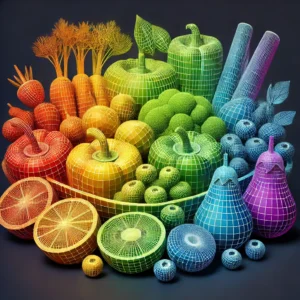
Consuming a variety of colorful fruits and vegetables ensures you get a wide range of nutrients. Each color represents different vitamins and minerals that benefit your health.
• Red: Tomatoes, strawberries, red bell peppers (rich in antioxidants like lycopene and vitamin C).
• Orange/Yellow: Carrots, sweet potatoes, oranges (high in beta-carotene and vitamin C).
• Green: Spinach, broccoli, kiwi (packed with vitamins A, C, and K, and folate).
• Blue/Purple: Blueberries, eggplants, grapes (contain antioxidants like anthocyanins and resveratrol).
Extended Tips for Eating a Rainbow:
• Make a colorful fruit salad for a refreshing and nutrient-dense snack.
• Incorporate a variety of vegetables into your meals, aiming for different colors in each dish.
• Blend a rainbow smoothie with fruits and vegetables for a quick nutrient boost..
4. Limit Processed Foods
Processed foods are often high in sugar, salt, and unhealthy fats. Limiting processed foods helps reduce the intake of empty calories and harmful additives.
• Tips: Read nutrition labels to identify processed foods high in sugar, salt, and unhealthy fats. Opt for whole, unprocessed foods as much as possible. Prepare meals at home using fresh ingredients.
Extended Tips for Limiting Processed Foods:
• Plan and prep meals in advance to avoid the convenience of processed foods.
• Choose whole foods like fruits, vegetables, whole grains, and lean proteins.
• Create healthier versions of your favorite processed snacks, such as homemade granola bars or baked chips.
• Avoid sugary drinks and opt for water, herbal teas, or homemade smoothies.

5. Mindful Eating
Mindful eating involves paying attention to hunger cues, savoring your food, and eating slowly. This practice can help prevent overeating and improve digestion.
• Tips: Take time to chew your food thoroughly, avoid distractions like TV or smartphones while eating, and listen to your body’s hunger and fullness signals.
Extended Tips for Mindful Eating:
• Practice gratitude before meals to enhance your appreciation for the food.
• Pay attention to the flavors, textures, and aromas of your food.
• Eat slowly and take breaks between bites to give your body time to signal when it’s full.
• Avoid using food as a coping mechanism for stress or emotions; find healthier ways to manage emotions, such as exercise or hobbies.

Practical Applications and Recipes
1. Breakfast Ideas
A nutritious breakfast sets the tone for the day, providing energy and essential nutrients to start your day right.
• Oatmeal with Berries and Nuts: Cook oats in water or milk, top with fresh berries, a handful of nuts, and a drizzle of honey.
• Scrambled Eggs with Spinach and Whole-Grain Toast: Sauté spinach, add beaten eggs, and cook until set. Serve with whole-grain toast.
• Yogurt Parfait: Layer Greek yogurt with granola and mixed berries. Add a sprinkle of chia seeds for extra fiber.

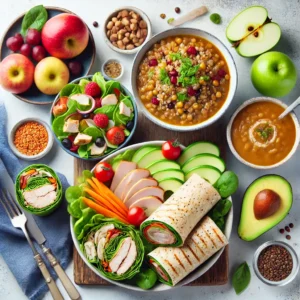
2. Lunch Ideas
A balanced lunch keeps you energized and focused throughout the afternoon.
• Quinoa Salad with Mixed Vegetables and Grilled Chicken: Toss cooked quinoa with diced vegetables, grilled chicken, and a lemon-tahini dressing.
• Whole-Grain Wrap with Lean Turkey, Avocado, and Greens: Fill a whole-grain wrap with sliced turkey, avocado, mixed greens, and a smear of hummus.
• Lentil Soup with a Side of Fruit: Simmer lentils with vegetables and spices until tender. Serve with a piece of fruit for dessert.
3. Dinner Ideas
A balanced dinner supports recovery and prepares your body for restful sleep.
• Baked Salmon with Roasted Vegetables and Brown Rice: Season salmon with herbs and bake. Serve with roasted vegetables and brown rice.
• Stir-Fried Tofu with Broccoli and Quinoa: Sauté tofu and broccoli in a soy-ginger sauce. Serve over quinoa.
• Grilled Chicken with Sweet Potato and a Side Salad: Grill chicken breasts, bake sweet potatoes, and prepare a mixed green salad with a vinaigrette dressing.

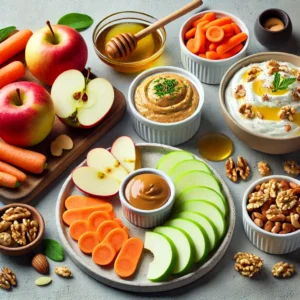
4. Snack Ideas
Healthy snacks can help maintain energy levels between meals and prevent overeating.
• Apple Slices with Almond Butter: Slice an apple and serve with a tablespoon of almond butter.
• Carrot Sticks with Hummus: Dip carrot sticks into a serving of hummus.
• Greek Yogurt with Honey and Walnuts: Mix Greek yogurt with a drizzle of honey and a handful of chopped walnuts.
Conclusion
A balanced diet is key to maintaining good health and well-being. By understanding the essential nutrients and incorporating them into your daily meals, you can enjoy a varied and nutritious diet that supports all aspects of health. Remember, moderation and variety are crucial, and it’s okay to enjoy treats occasionally as part of a balanced lifestyle.